
Can Invisalign Fix Bite Problems as Well as Straighten Teeth?
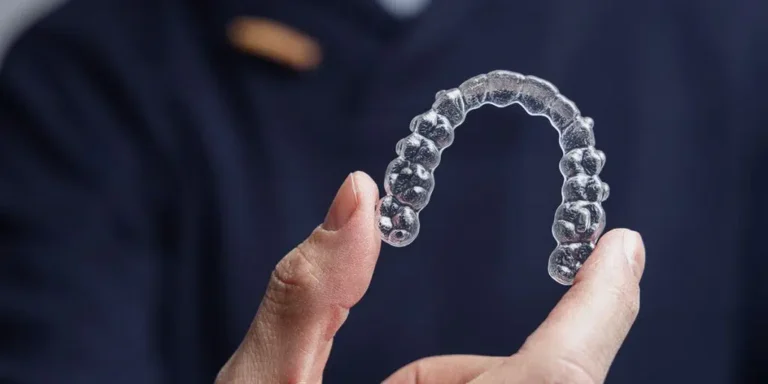
When most people think about Invisalign, they usually picture a way to straighten crooked teeth without the look of traditional metal braces. While that’s certainly one of its biggest benefits, Invisalign can do much more than improve the appearance of your smile.
A common question patients ask is: “Can Invisalign fix bite problems too?”
The short answer is yes—in many cases, Invisalign can help correct certain bite issues while also aligning your teeth. However, the effectiveness depends on the type and severity of the bite problem.
Let’s take a closer look at how Invisalign works and whether it’s the right solution for your smile.
What Exactly Is a Bite Problem?
Your bite refers to the way your upper and lower teeth come together when you close your mouth. Ideally, the teeth should fit together comfortably and evenly.
When they don’t, it’s known as a malocclusion, or bite problem.
Some of the most common bite issues include:
Overbite
An overbite occurs when the upper front teeth overlap the lower front teeth more than normal.
Underbite
In this case, the lower teeth extend beyond the upper teeth when the mouth is closed.
Crossbite
A crossbite happens when some upper teeth sit inside the lower teeth rather than outside.
Open Bite
With an open bite, the upper and lower front teeth don’t touch when the mouth is closed.
Crowding and Spacing Issues
Although not technically bite problems, crowded or widely spaced teeth can affect the way your bite functions.
These issues aren’t just cosmetic. Over time, they can contribute to:
- Uneven tooth wear
- Jaw discomfort
- Difficulty chewing
- Speech problems
- Increased risk of tooth damage
That’s why correcting a bite issue is often about improving oral health, not just appearance.
How Does Invisalign Work?
Invisalign uses a series of custom-made, clear aligners that gradually move your teeth into better positions.
Each aligner is worn for about one to two weeks before moving to the next set. Over time, these small movements create noticeable changes in tooth alignment and bite position.
The aligners are designed using advanced digital technology, allowing your dentist to plan tooth movements with remarkable precision.
Unlike traditional braces, Invisalign aligners are removable, making it easier to eat, brush, and floss throughout treatment.
Can Invisalign Correct Bite Problems?
In many cases, yes.
Modern Invisalign treatment has evolved significantly over the years and can successfully address a wide range of mild to moderate bite concerns.
Invisalign for Overbites
Overbites are among the most commonly treated bite issues with Invisalign.
Using carefully planned tooth movements and specialized attachments, Invisalign can gradually reduce excessive overlap between the upper and lower teeth.
Many patients notice not only cosmetic improvements but also better comfort while chewing.
Invisalign for Underbites
Mild to moderate underbites may also be corrected with Invisalign.
By repositioning teeth and improving alignment, Invisalign can help create a more balanced bite.
However, severe underbites that involve significant jaw discrepancies may require additional orthodontic treatment or even corrective jaw surgery.
Invisalign for Crossbites
Crossbites can often be treated effectively with Invisalign, especially when addressed early.
Correcting a crossbite can help prevent uneven wear on teeth and reduce stress on the jaw joints.
Invisalign for Open Bites
Open bites are frequently associated with habits such as thumb-sucking or tongue thrusting.
Invisalign can help close gaps between the upper and lower teeth in many mild to moderate cases, improving both function and appearance.
Are There Cases Where Invisalign May Not Be Enough?
While Invisalign is highly versatile, it isn’t the ideal solution for every situation.
Patients with:
- Severe jaw alignment problems
- Significant skeletal discrepancies
- Complex orthodontic issues
may require alternative treatments or a combination of orthodontics and oral surgery.
This is why a professional evaluation is essential before deciding on treatment.
A dentist or orthodontist can assess your bite, take digital scans, and determine whether Invisalign is suitable for your specific needs.
Benefits of Choosing Invisalign for Bite Correction
Many patients prefer Invisalign because it offers advantages beyond straightening teeth.
Nearly Invisible Appearance
The clear aligners are discreet, making them popular among adults and working professionals.
Comfortable Fit
There are no metal brackets or wires that can irritate the inside of your mouth.
Removable Convenience
You can remove the aligners while eating, brushing, and flossing.
Easier Oral Hygiene
Maintaining good oral health during treatment is often simpler compared to traditional braces.
Predictable Results
Digital treatment planning allows patients to see a preview of their expected smile transformation before treatment even begins.
How Long Does Treatment Take?
Treatment time varies depending on the complexity of the case.
For many patients, Invisalign treatment typically ranges from 6 to 18 months.
More complex bite corrections may take longer, while minor alignment issues can often be resolved in less time.
The key to success is wearing the aligners consistently usually 20 to 22 hours per day.
Conclusion
Invisalign is no longer just a cosmetic solution for straightening teeth. Today, it can effectively treat many common bite problems, including overbites, underbites, crossbites, and open bites.
That said, every smile is unique. The best way to know whether Invisalign can correct your bite is through a detailed dental evaluation.
If you’ve been considering Invisalign, don’t focus only on straighter teeth. You may also be improving the function, comfort, and long-term health of your smile.
A healthier bite often means healthier teeth and that’s a benefit worth smiling about.