Is Dental Implant Surgery Painful? Everything You Need to Know Before Treatment
One of the most common questions patients ask before getting dental implants is:
“Will dental implant surgery be painful?”
The short answer is No.
Thanks to modern dentistry, advanced surgical techniques, and effective local anesthesia, dental implant surgery is generally much less painful than most people imagine. In fact, many patients say the procedure was easier than having a tooth extracted.
If you’re considering replacing missing teeth with dental implants, understanding what happens before, during, and after the procedure can help ease anxiety and prepare you for a smooth recovery.
Understanding Dental Implant Surgery
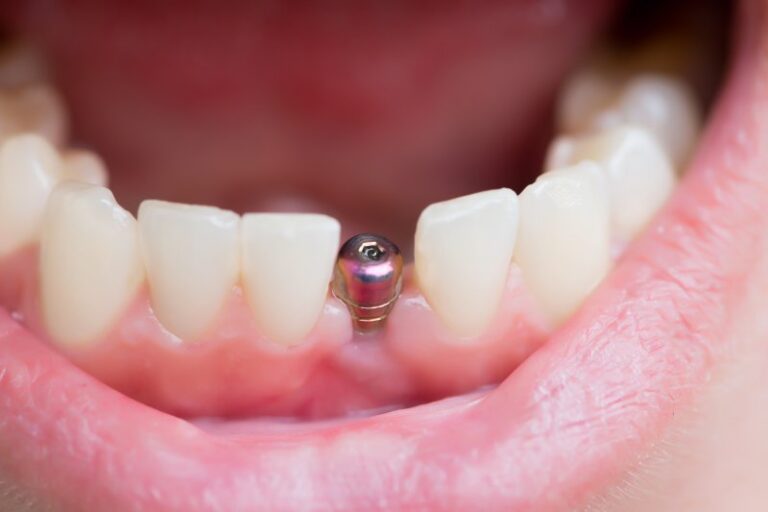
A dental implant is a titanium post that is placed into the jawbone to replace the root of a missing tooth. Once the implant heals and integrates with the bone, a custom-made dental crown is attached, giving you a natural-looking and fully functional tooth.
Dental implant surgery is one of the most predictable and successful procedures in modern dentistry, with a success rate of over 95% when performed by experienced professionals.
Local Anesthesia: Why You Won’t Feel Pain During Surgery
The biggest reason patients experience little to no pain during implant surgery is local anesthesia.
Before the procedure begins, your dentist numbs the treatment area using a local anesthetic.
What does this mean?
- You stay awake throughout the procedure.
- The surgical area becomes completely numb.
- You may feel slight pressure or vibrations.
- You should not feel sharp pain.
The anesthesia typically begins working within a few minutes and remains effective throughout the entire surgery.
For patients with dental anxiety, additional sedation options may also be available depending on the complexity of the procedure.
What Happens During Dental Implant Surgery?
The surgery itself is surprisingly straightforward.
Here’s what typically happens:
Step 1: Numbing the Area
Your dentist administers local anesthesia to ensure complete comfort.
Step 2: Preparing the Implant Site
A small opening is made in the gum to access the jawbone.
Step 3: Placing the Implant
A precisely measured space is prepared, and the titanium implant is gently inserted into the bone.
Step 4: Closing the Gum
The gum tissue is stitched if necessary, and healing begins.
The entire procedure generally takes 30 to 90 minutes, depending on the number of implants being placed.
Many patients are surprised that they experience more pressure than pain during the surgery.
What Should You Expect After Surgery?
Once the anesthesia wears off, mild discomfort is completely normal.
Most patients describe it as similar to the feeling after a routine tooth extraction.
You may experience:
- Mild soreness
- Slight swelling
- Minor bleeding
- Tenderness around the implant area
- Jaw stiffness for a day or two
These symptoms usually peak within the first 24 to 48 hours and gradually improve over the next few days.
Most people return to work within one or two days after the procedure.
How Is Pain Managed After Dental Implant Surgery?
Post-operative discomfort is usually easy to manage.
Your dentist may recommend:
Pain Relief Medication
Over-the-counter pain relievers or prescribed medications help reduce discomfort.
Cold Compress
Applying an ice pack during the first 24 hours helps minimize swelling.
Soft Foods
Eat foods such as:
- Yogurt
- Mashed potatoes
- Smoothies
- Soups
- Rice
- Soft fruits
Avoid chewing directly on the implant site until advised by your dentist.
Good Oral Hygiene
Keeping the area clean reduces the risk of infection and promotes faster healing.
Your dentist may recommend:
- Gentle brushing
- Warm salt-water rinses
- Antibacterial mouthwash
Follow Post-Operative Instructions
Taking medications as prescribed and attending follow-up appointments ensures optimal healing.
Tips for a Comfortable Recovery
Following these simple steps can make healing faster and more comfortable:
- Rest on the day of surgery.
- Avoid smoking and alcohol during healing.
- Stay hydrated.
- Eat soft, nutritious foods.
- Avoid strenuous exercise for 24–48 hours.
- Sleep with your head slightly elevated.
- Follow all instructions provided by your dentist.
Are Dental Implants Worth It Despite the Surgery?
Absolutely.
Although the idea of surgery may sound intimidating, the temporary discomfort is minimal compared to the long-term benefits.
Dental implants offer:
- Natural appearance
- Strong chewing ability
- Long-lasting results
- Prevention of bone loss
- Improved speech
- Better confidence
- No damage to neighboring teeth
Most patients say they wish they had undergone the procedure sooner.
Why Choose Dr. Raju Dental Care for Dental Implants?
At Dr. Raju Dental Care, we prioritize patient comfort at every stage of treatment. Our experienced dental team uses advanced diagnostic technology, precise implant planning, and modern surgical techniques to ensure a safe, comfortable, and successful implant experience.
From your initial consultation to your final restoration, we focus on delivering personalized care and helping you regain a healthy, confident smile.
Final Thoughts
If you’ve been delaying treatment because you’re worried about pain, there’s good news—dental implant surgery is typically far less painful than most people expect. With effective local anesthesia, careful surgical techniques, and proper post-operative care, discomfort is usually mild and temporary.
Replacing missing teeth with dental implants is an investment in your oral health, confidence, and quality of life. If you have questions or want to know if you’re a suitable candidate, schedule a consultation with Dr. Raju Dental Care and take the first step toward restoring your smile.